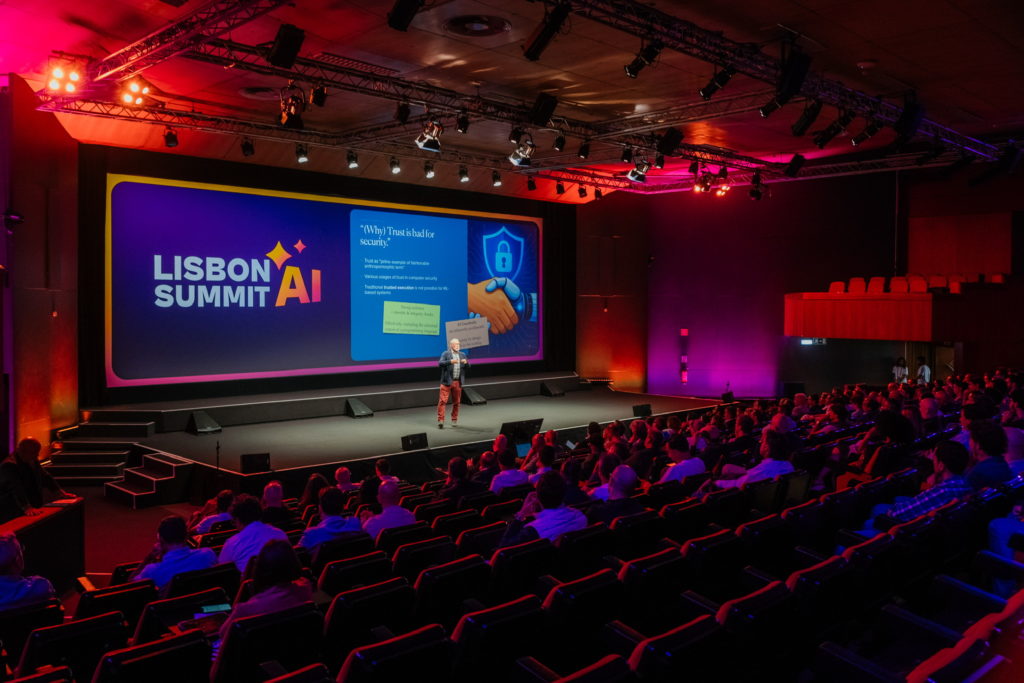
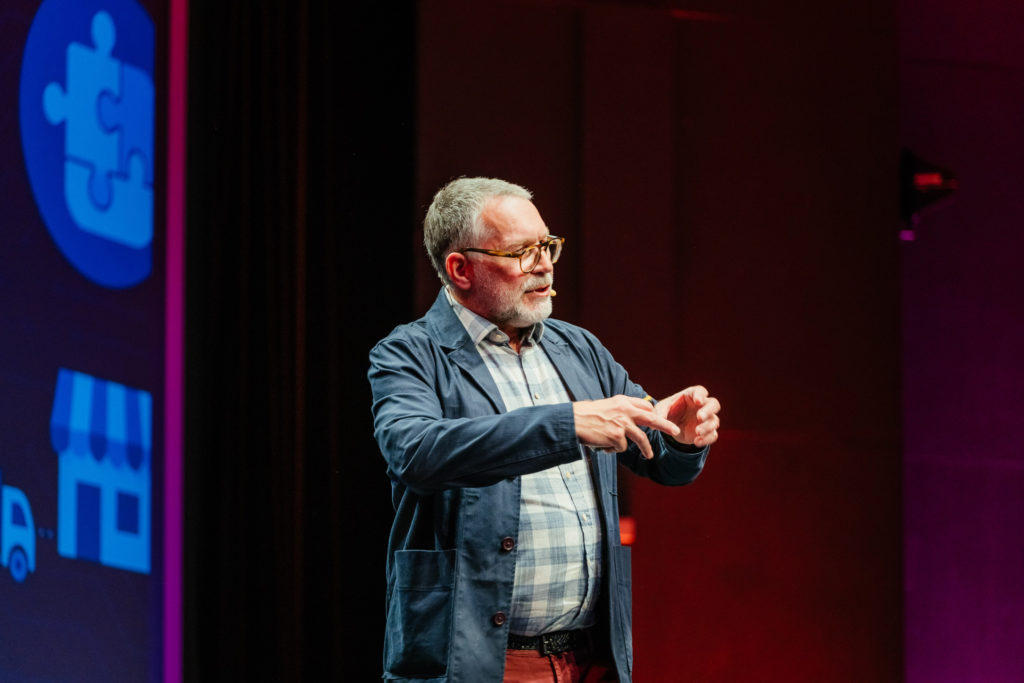
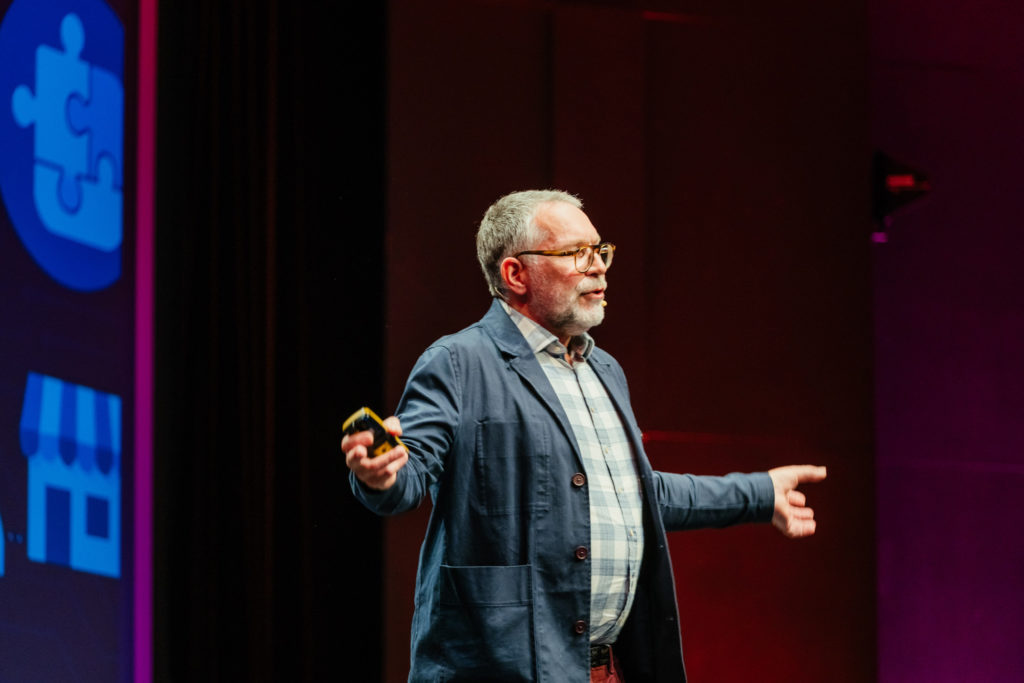
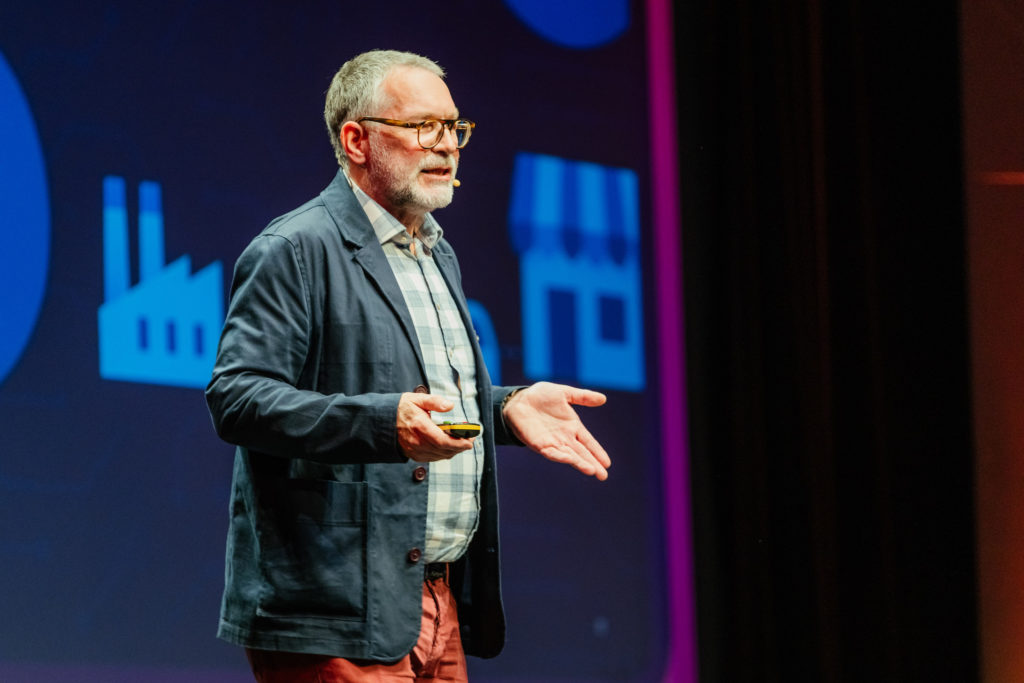
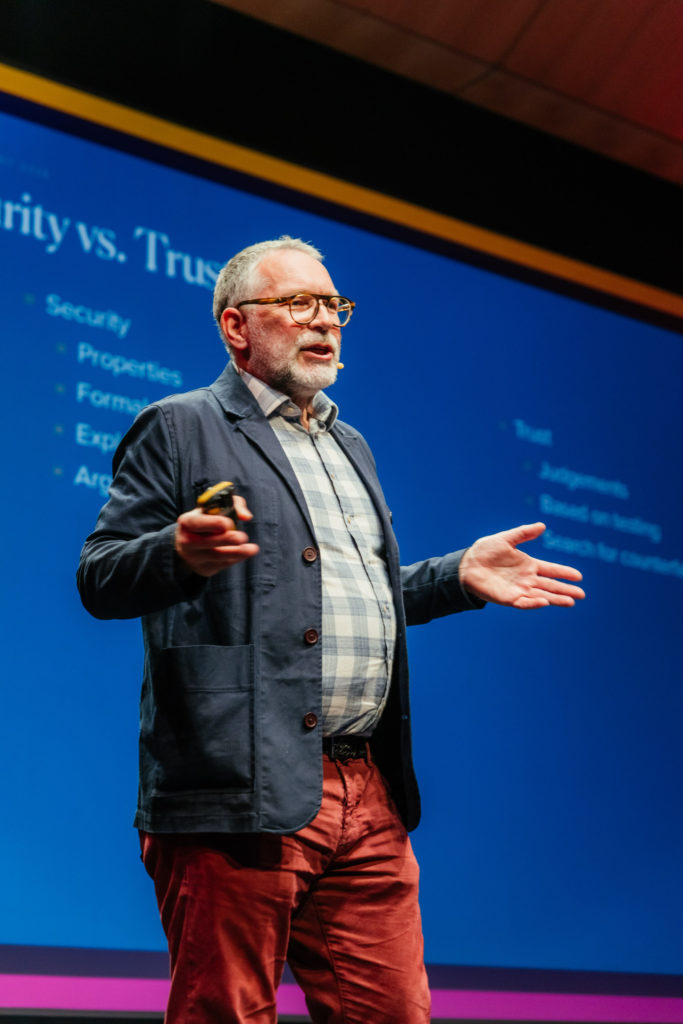
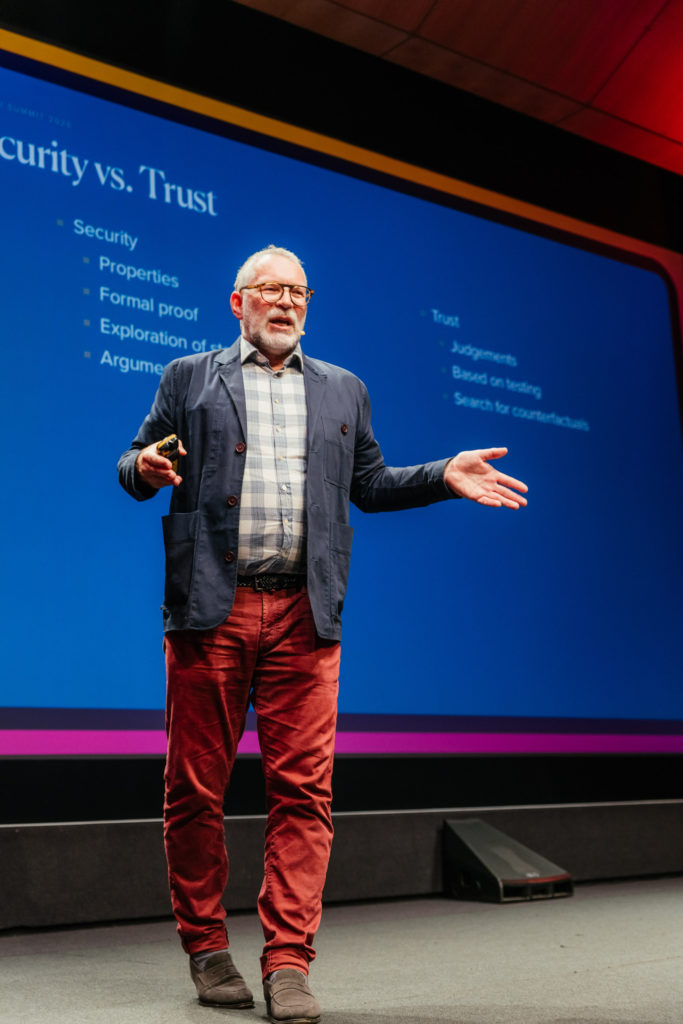
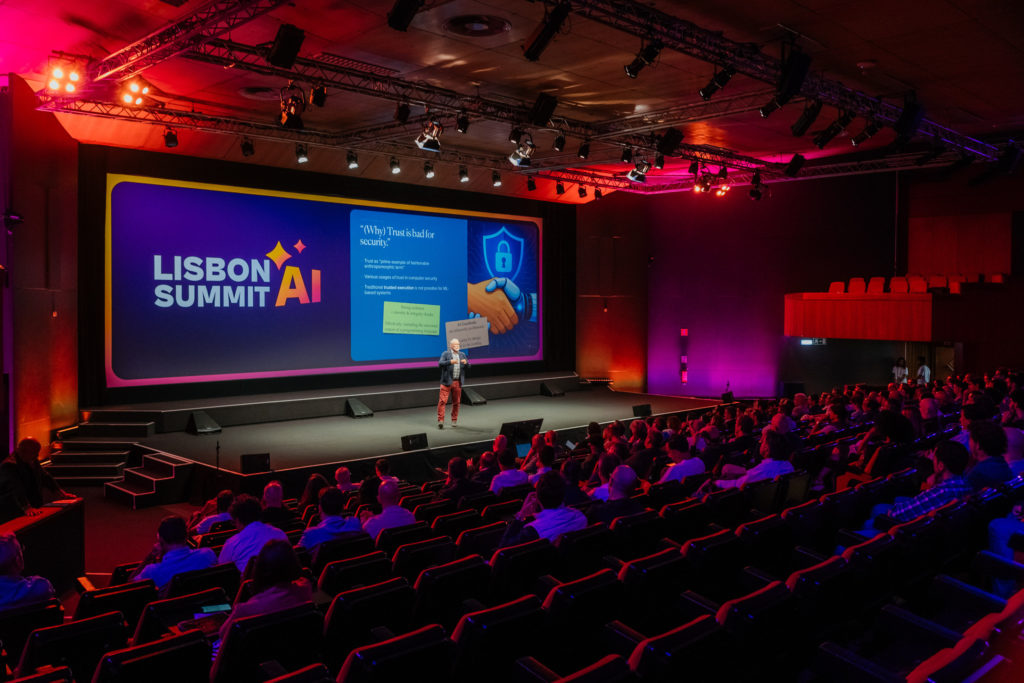
Last week, I had the privilege of delivering a keynote at the Lisbon AI Summit on “The AI Trust Challenge: Securing Autonomous Systems.”
The talk explored a rapidly shifting landscape: from traditional AI models to agentic AI systems, autonomous agents capable of making decisions and taking actions with minimal human oversight. While powerful, these systems introduce new layers of risk, complexity, and uncertainty that we are only beginning to understand.
My central theme was deliberately provocative:
👉 Should we even be talking about “trust” in AI?
I argued that “trust” can be a misleading, anthropomorphic concept in security. Instead, we need to focus on verifiable properties such as robustness, provenance, integrity, and resilience—because systems that appear trustworthy may still be fundamentally insecure.
The talk also explored:
– The attack surface of machine learning systems, from data manipulation to model corruption and output tampering
– The growing role of AI in both cyber defence and cyber offence
– The challenge of identifying, certifying, and governing autonomous agents in increasingly interconnected ecosystems
– Why guardrails are not security by design
Perhaps most importantly, the keynote raised uncomfortable but necessary questions:
– How do we ensure AI behaves as intended over time?
– Who controls and certifies these systems?
– What happens when autonomous AI systems begin to trust and act on each other?
As AI continues to evolve, the conversation must move beyond hype and into deep, critical thinking about security, accountability, and societal impact.
These are not just technical challenges … they are fundamental strategic and philosophical ones.